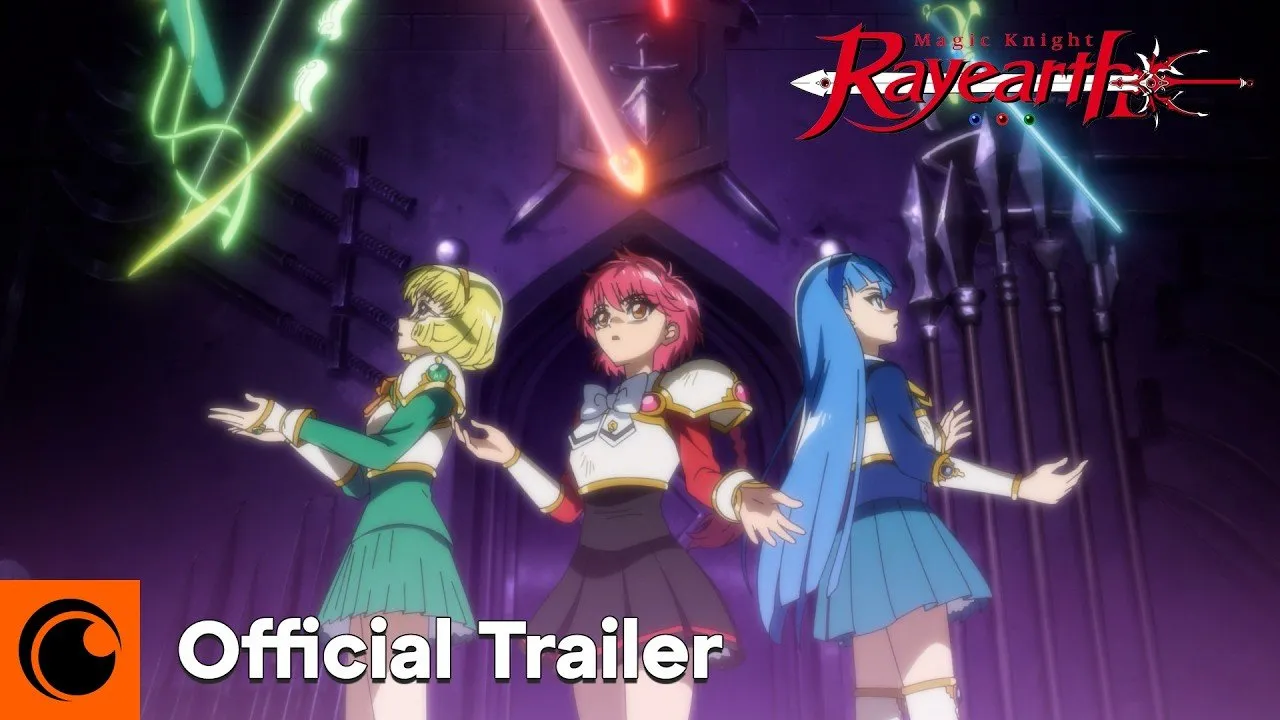
Magic Knight Rayearth returns to TV
NewsThe new anime from CLAMP's manga starts 7 October on TV Asahi, across two cours. Crunchyroll has published an official trailer for the series.
The new anime adapted from Magic Knight Rayearth, the manga by the CLAMP collective, will premiere on 7 October 2026 on TV Asahi. The news came on Sunday during a special stage at KyoMAF, Kyoto’s manga and animation fair, along with a second trailer, four more cast members and both theme songs.
Click the image to watch the official trailer. Thumbnail: Crunchyroll / ©CLAMP・ST / Kodansha, TMS, TV Asahi.
What do we know about the date and broadcast?
The series starts on 7 October at 11:45pm Japan time, in the IMAnimation W block on TV Asahi and its affiliated channels. It is announced for two consecutive cours, meaning a run of roughly six months.
The two-cour detail is worth noting, because it is not incidental. A cour is a quarter of Japanese broadcasting, around a dozen episodes. Two consecutive cours therefore mean a series holding the slot without interruption from October to March, which is a greater broadcast commitment than average.
The exact episode count has not been released, and we will not invent one. Two cours usually means around twenty episodes, but the range is wide and depends on the split chosen.
The time slot says something about the intended audience. 11:45pm is a late-night berth, the one used by series aimed at adult or teenage viewers rather than children, a notable shift from how the 1990s adaptation was broadcast.
That shift is not incidental in the Japanese market. A late-night slot costs less to buy than a Saturday morning one, imposes fewer content constraints, and comes with a different economic model: profitability rests on disc and merchandise sales more than on television ratings. It is the regime most anime aimed at teenagers and adults has operated under for two decades.
Where can you watch it outside Japan?
Crunchyroll has published an official trailer for the series on its channel, which points to the series streaming there. Territories and release time have not been specified, and we will stick to what that publication actually establishes.
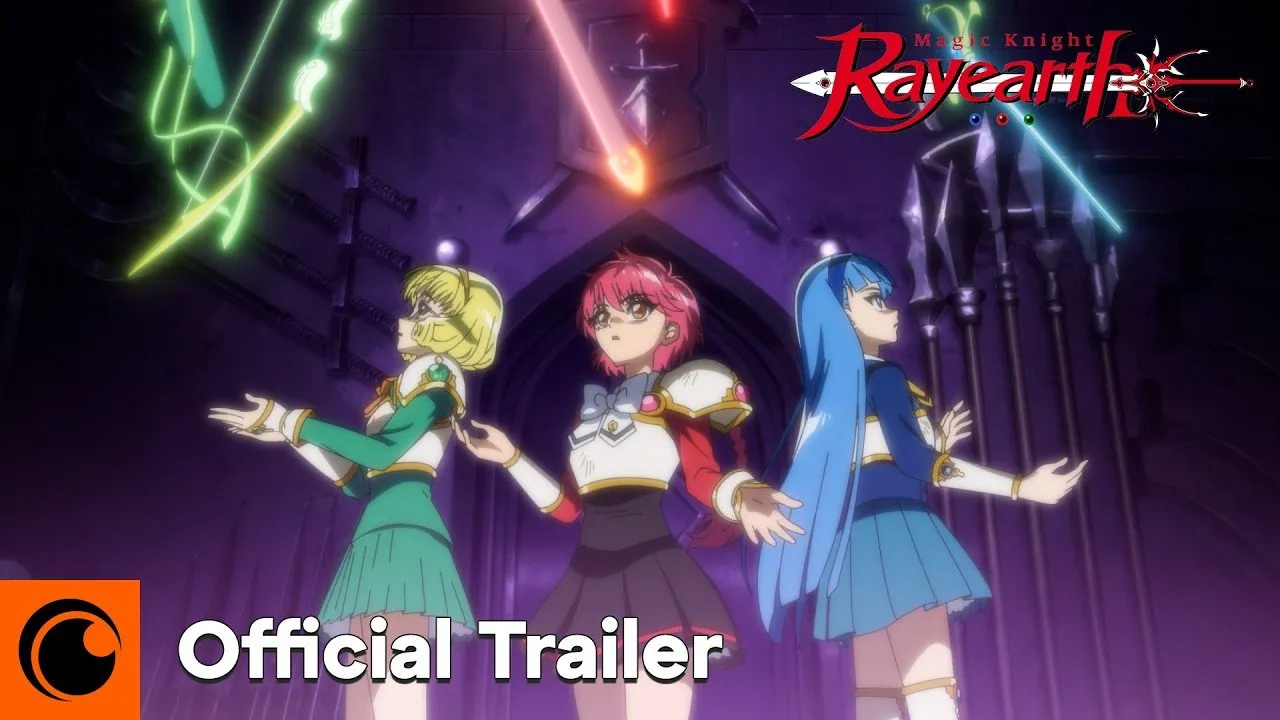
The subtitled teaser. Click the image to play it. Thumbnail: AnimOtaku / ©CLAMP・ST / Kodansha, TMS, TV Asahi.
The distinction matters, and it is the sort of detail second-hand coverage erases. A trailer published by a platform on its own channel establishes that it holds rights; it establishes neither the list of countries covered, nor the release time, nor the format, weekly or in a block.
There is a further unknown for English-speaking viewers: the dub. A platform can hold streaming rights in a territory and offer subtitles only, with a dub following months later or never arriving. Nothing has been said on that point.
The sensible approach is therefore the same as for any announcement of this kind: wait for the platform’s schedule, usually published in the week before the Japanese premiere. Our guide to reading an announcement sets out how to separate what is settled from what is assumed.
We will update this article once territories and release time are officially confirmed, with the corresponding dated correction note.
Who is joining the cast?
Four names were added on Sunday: Mamiko Noto as Alcione, Ayumu Murase as Ascot, Hitomi Ueda as Caldina and Hiroki Yasumoto as Lafarga. They round out a cast announced earlier.
The main cast brings together Ayane Sakura as Hikaru Shidō, Rumi Ōkubo as Umi Ryūzaki and Rie Takahashi as Fū Hōōji, the three characters the story revolves around.
| Character | Voice actor |
|---|---|
| Hikaru Shidō | Ayane Sakura |
| Umi Ryūzaki | Rumi Ōkubo |
| Fū Hōōji | Rie Takahashi |
| Emeraude | Saori Hayami |
| Zagato | Yūki Ono |
| Mokona | Mika Kikuchi |
| Clef | Yūki Kaji |
| Presea | Emiri Katō |
| Ferio | Yoshitsugu Matsuoka |
What the list shows, beyond the names, is the level of the cast. It gathers performers who lead the most-watched productions of the moment, which indicates a substantial voice budget and commercial expectations to match.
A second lesson hides in the announcement schedule. Lead roles were released first, supporting roles on Sunday: that is the usual progression, and it serves to occupy media attention across months with a single piece of information cut into parts.
What are the theme songs?
The opening theme is performed by Toaka, the ending theme by Yurina Kawaguchi. Both were previewed in the trailer. The titles, however, are not transcribed the same way across sources, and that is worth flagging rather than settling.
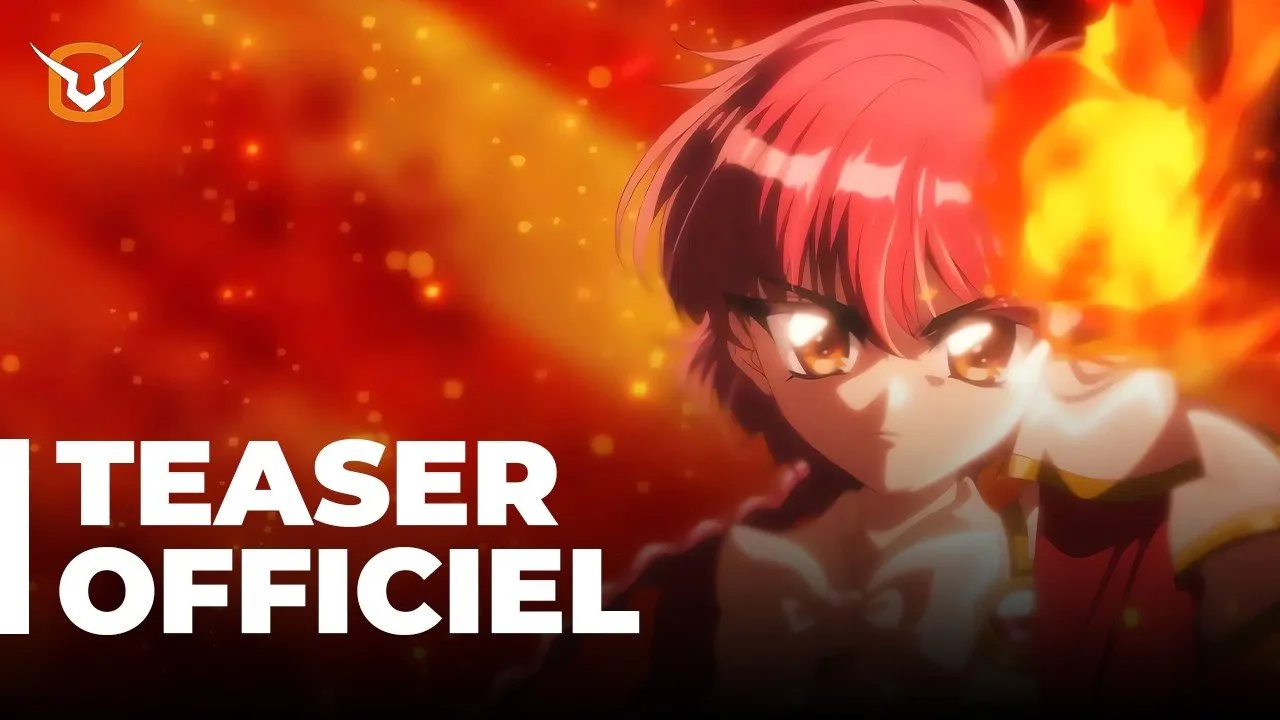
The second PV, the one that plays both theme songs. Thumbnail: official TMS channel / ©CLAMP・ST / Kodansha, TMS, TV Asahi.
Anime News Network transcribes the opening as “Otome no Tsurugi” and translates it as “A Young Lady’s Sword”. Anime Corner writes “Otome no Ken”. Both readings are possible for the same Japanese character, the one for sword, and nothing identifies the correct one without the official pronunciation.
The gap is wider on the ending theme: “Hoshiakari”, meaning “Starlight”, at the first outlet, “Seira” at the second. That is no longer a question of reading, and one of the two transcriptions is wrong.
We therefore give what is established, the performers, and flag the divergence on the titles. That caution costs an appearance of precision, and it beats asserting a title we would have to correct in three days.
Music is handled by Yuki Kajiura, Takumi Ozawa and Shiho Terada. The first name is the one regular viewers will notice: Yuki Kajiura is among the most recognisable composers in Japanese animation, and her involvement sets an expectation of its own.
Splitting a score across three composers is also unusual, and it generally indicates an abundant soundtrack with different registers by sequence. For a two-cour series, that is a coherent production choice.
Who is making it?
Yui Miura makes his series directing debut, after episode director credits on Ninja Kamui and Bullet/Bullet. Animation is by E&H production, and the project is driven by UNLIMITED PRODUCE by TMS.
Scripts go to Shigeru Murakoshi, whose credits include Zombie Land Saga, Ninja Kamui and Apocalypse Hotel. Satomi Watabe handles character design and also serves as chief animation director, a dual role that helps hold visual consistency across a long run.
One name stands out in the wider staff: Sunghoo Park is credited as creative producer. Assigning that role to someone of his standing on a first series direction is a standard way of supporting a newcomer, and it signals how much the project matters to those commissioning it.
The full technical staff was also released, from art director Kazumaru Ando to sound director Shūhei Abe, by way of Hiroki Mutaguchi, in charge of designing the Rune Gods, the machines that accompany the three leads.
What is Magic Knight Rayearth about?
Three schoolgirls, Hikaru, Umi and Fū, transported from Tokyo Tower into a world they are told to save. The story combines the heroine-team register with machine-driven fantasy, a pairing that was uncommon when it was created.
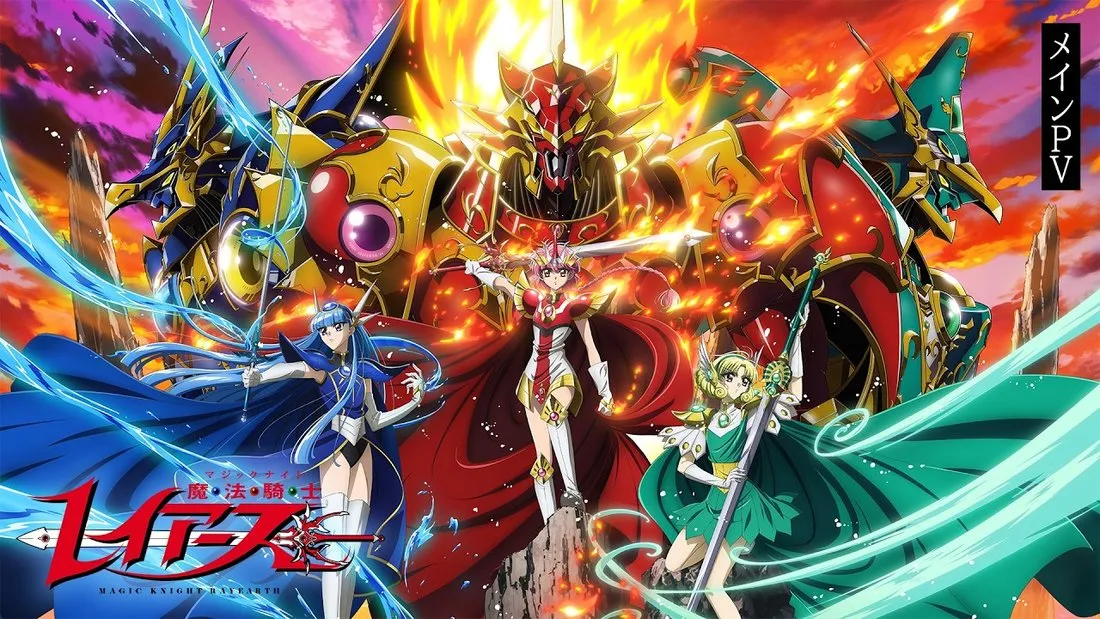
The main PV, introducing the three leads and the world of the series. Thumbnail: official TMS channel / ©CLAMP・ST / Kodansha, TMS, TV Asahi.
The series is one of the works of the CLAMP collective, a group of authors whose catalogue includes several titles that became reference points. It belongs to the period when the collective published in magazines aimed at a female readership, while building fantasy worlds that reached far beyond that frame.
We will not summarise the plot beyond that opening, which appears on every back cover. One of the series’ mechanisms rests on a turn that thirty years of commentary have not exhausted, and there is no reason to spoil it for a reader discovering the title here.
One point about genre is worth adding, because recent coverage tends to skip it. The series is now described as isekai, a term for stories about being transported to another world that has become a commercial category in its own right. That vocabulary did not exist when the work was published: applying it retroactively is convenient for placing the series, and misleading if it suggests the work follows the conventions of a genre it largely helped establish.
Is the manga available in English?
Yes, from Kodansha, which licensed the series after Dark Horse’s licence expired. Kodansha released it in hardcover box sets of three volumes each, published for the manga’s 25th anniversary in 2019, in a new translation.
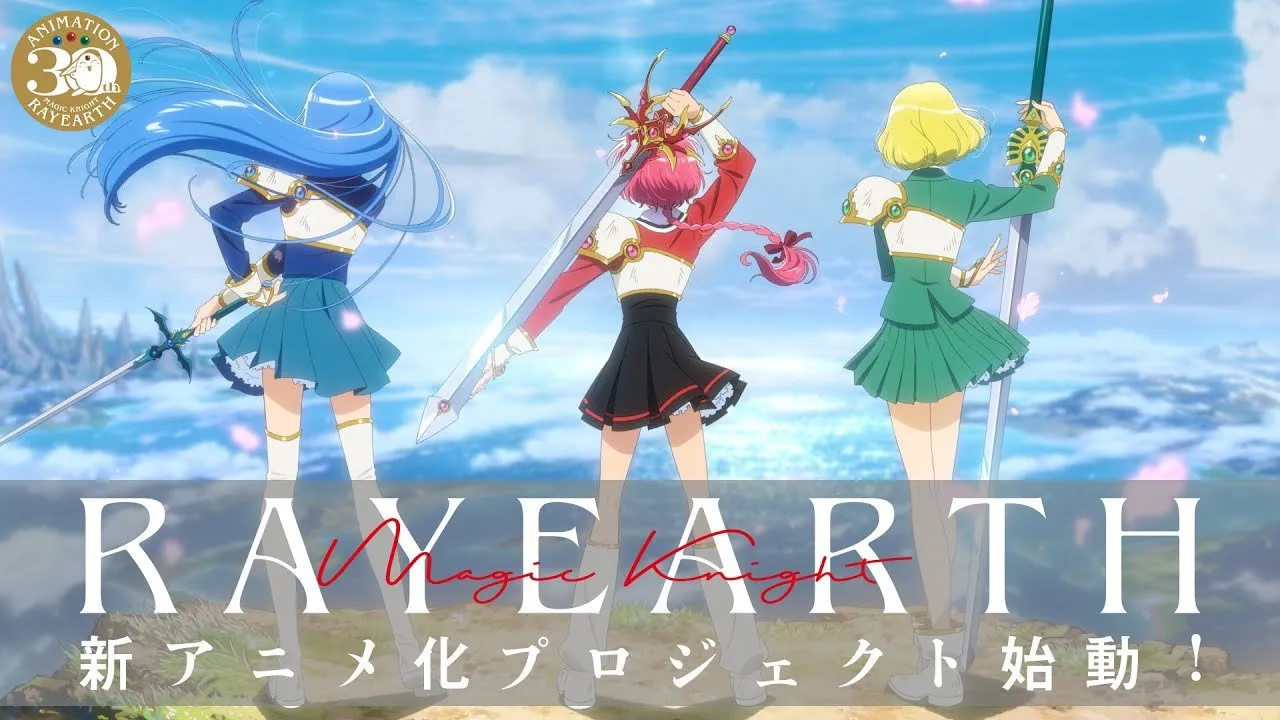
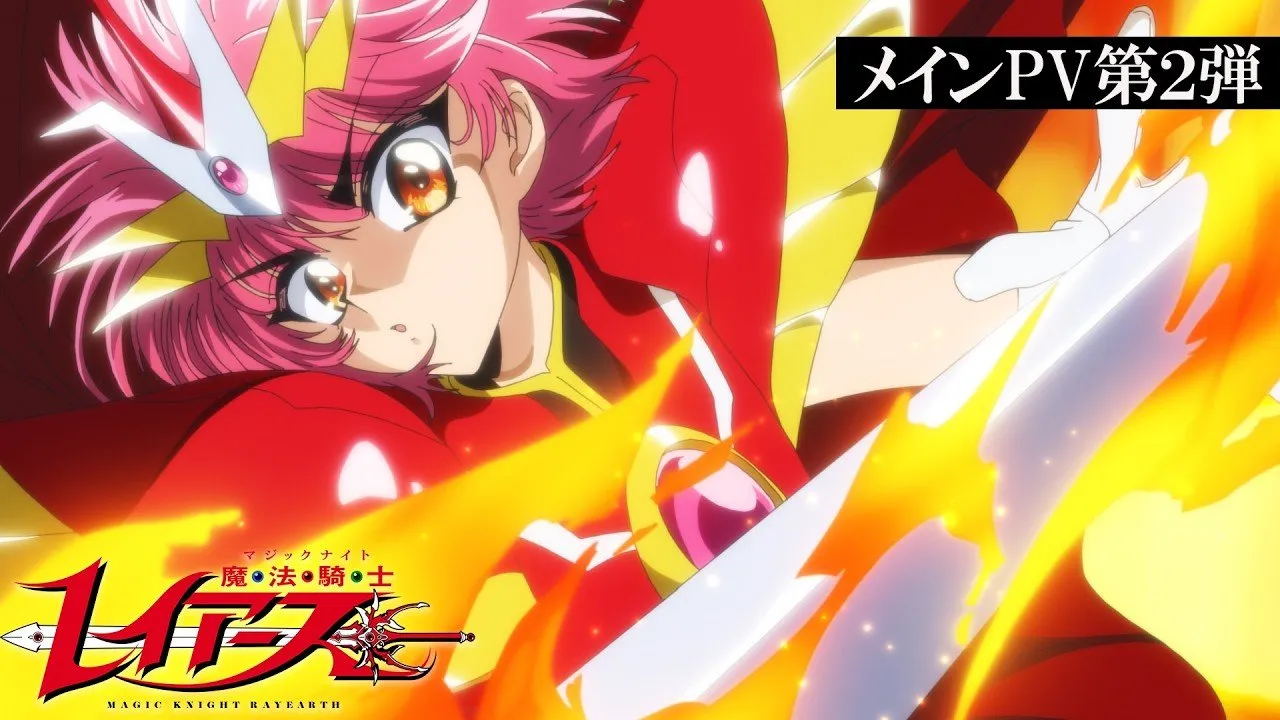
The project launch PV, released for the series’ thirtieth year. Thumbnail: official TMS channel / ©CLAMP・ST / Kodansha, TMS, TV Asahi.
The box set format matters for anyone buying now. It bundles a complete series rather than individual volumes, which changes both the price point and the way the series turns up second-hand: box sets are sold whole, and a split set is worth considerably less than its parts suggest.
It also means the licence history is worth checking before buying used. A Dark Horse edition and a Kodansha edition are not the same translation, do not share the same trim size, and do not sit next to each other on a shelf. Listings routinely mix the two.
Reading direction is the quickest way to tell editions apart, and the most reliable. Early English releases were flipped to read left to right, which meant retouching every panel; modern editions keep the Japanese direction. A listing showing a cover with the spine on the left is therefore advertising an older edition, whatever the description says.
For a reader weighing it up, the length is the point worth holding on to. This is a short series, which makes it a realistic way into manga compared with the long-running titles that dominate the conversation. We make the same argument in our One Piece reading guide: a short finished series tells you what you think of the format without committing hundreds of hours.
Do you need to have seen the 1990s anime?
No. This is a new adaptation of the same manga, not a sequel. Anyone coming to it now has nothing to catch up on, and anyone who knows the older adaptation will see the same story brought to screen by a different team.
The distinction between a new adaptation and a sequel is the most common source of confusion when an older series returns, and press releases are not always explicit about which one is happening.
The question that actually arises is different: will this adaptation follow the manga more closely than the previous one? 1990s adaptations frequently departed from their source, for lack of material at the time they aired. That is no longer the case, the manga having been finished for decades.
There is a second difference that gets less attention. A 1990s adaptation ran for as long as the broadcaster wanted it to, and stretched or invented accordingly. A two-cour order fixes the length in advance, which forces the adaptation to plan its structure from the first episode. Whatever else changes, the shape of the story will be decided before anything airs, not adjusted along the way.
The ratio is easy to work out: six Japanese volumes across around twenty episodes gives roughly three episodes per volume, where tight adaptations run closer to one episode per volume and a half. There is ample material, and the risk is no longer filler but padding, which is a different failing.
Where was the announcement made?
At KyoMAF, Kyoto’s international manga and animation fair, during a special stage devoted to the series. The choice of venue is not neutral, and it explains how these announcements are calibrated.

Photo: Ama Aware / Unsplash.
A fair offers three things a press release does not. A room that reacts, so an immediate read on reception. A recording that then circulates on social networks, free. And a date fixed far in advance, around which all communication can be organised.
It is also why announcements cluster on a handful of weekends a year. A publisher holding a piece of news saves it for the next fair, even for weeks, because the same news is worth more there than on a Tuesday morning on an official site.
For readers, the practical consequence is twofold. First, waiting: a series with no news for months is not necessarily stalled, it may be waiting for a stage. Second, vigilance: fair days are when the most false announcements circulate, from misread recordings or screenshots stripped of context.
KyoMAF is not the only such stage, and knowing the circuit helps anticipate. The Japanese calendar spreads several events across the year, and publishers distribute themselves according to the audience they want. A series aimed at a female readership is not announced at the same fair as an action title, so the choice of venue signals commercial positioning before anything is said about content.
What does an adaptation change for the manga?
It drives sales, by margins publishers do not disclose but the calendar gives away. A reissue appearing weeks before a broadcast is not a coincidence: it is the commercial apparatus that accompanies the adaptation.
The mechanism is well known and runs one way. A viewer who discovers a story on screen and wants to know what happens next turns to the manga, which is always well ahead. The reverse is rare: a reader who has finished the manga has no pressing reason to watch the same story more slowly.
That produces a sequence repeated almost identically from one series to the next. Adaptation announced, manga reprinted, sometimes a new edition with cover art taken from the anime, then broadcast, then a sales peak during the first cour. Stock gaps on early volumes during broadcast are the sign that preparation fell short.
English-language readers face an additional lag worth planning around. A reprint decided in Japan reaches English-language shelves months later, because the licensing publisher has to schedule its own print run. Anyone wanting to read the manga alongside the broadcast is better off buying before the premiere rather than after it.
One last question this announcement raises, and it goes beyond one series: why are 1990s works all returning at once? The answer has less to do with nostalgia than with how rights are structured. A thirty-year-old series has seen its adaptation contracts lapse, which makes it available again, and its audience from that era now occupies the age brackets advertisers target. The two conditions rarely coincide; when they do, adaptations arrive in waves.
Who is CLAMP?
A collective of Japanese authors, of which Magic Knight Rayearth is one work. Their catalogue includes several titles that became reference points, and it has the distinction of having crossed very different readerships without settling into a category.
That flexibility comes from how they work. A collective splits artwork, writing and page layout across several people, which allows a change of visual register from one series to the next without changing team. Few solo authors can say the same.
It also explains the place their works occupy in English-language catalogues. A publisher acquiring a title from the collective acquires a name readers recognise, and that recognition carries across series whose tones have nothing in common.
For anyone discovering them, that implies one simple caution: do not judge the whole on one title. Enjoying Magic Knight Rayearth does not guarantee enjoying the collective’s other series, and the reverse holds just as firmly. They are distinct works sharing a byline.
That variety is also why their works turn up across several publishers in English rather than concentrated at one. Rights were sold title by title, at different times, to whichever house wanted that particular book. A reader looking to follow the collective therefore has to track several catalogues, which is unusual for authors of this standing.
Why revive a thirty-year-old series?
Because the risk is lower than with an original, and the audience already exists. A licence that marked a generation arrives with name recognition nothing can buy, and with readers who are now adults, and therefore have money.
The calculation does not stop there. A new adaptation mechanically revives manga sales, often in an edition reworked for the occasion, and reactivates a merchandise catalogue the publisher already owns. The television series is the trigger for a whole set, not the sole objective.
There is also a production constraint pushing the same way. Adapting a finished work means knowing from the writing stage where the story goes, which is never true of an ongoing series. 1990s adaptations invented their endings for lack of material; this one has six complete volumes to work from.
The downside exists, and it concerns viewers who knew the first version. A new adaptation is compared, every time, against a memory that thirty years have improved. That is the difficulty specific to this kind of project, and no team escapes it.
What to take away
The new Magic Knight Rayearth anime starts 7 October 2026 at 11:45pm on TV Asahi, in the IMAnimation W block, across two consecutive cours. No exact episode count has been given.
Crunchyroll has published an official trailer on its channel, which points to the series streaming there, without territories or release time being specified.
Four voices were added on Sunday at KyoMAF: Mamiko Noto, Ayumu Murase, Hitomi Ueda and Hiroki Yasumoto. The themes are performed by Toaka and Yurina Kawaguchi, their titles transcribed differently across outlets. Music is by Yuki Kajiura, Takumi Ozawa and Shiho Terada.
Yui Miura directs, in his first series, at E&H production, with Sunghoo Park as creative producer. CLAMP’s manga is available in English from Kodansha in hardcover box sets.
We will keep this entry updated as broadcast territories, the platform release time and any English reissues of the manga are confirmed, with the dated correction note we apply to every article on this site.
Sources
- https://www.animenewsnetwork.com/news/2026-09-20/new-magic-knight-rayearth-anime-2nd-main-trailer-reveals-more-cast-theme-songs/.242011
- https://animecorner.me/magic-knight-rayearth-2026-unveils-new-trailer-featuring-theme-songs-additional-cast/
- https://www.youtube.com/watch?v=HmK-W6VEAdg
- https://kodansha.us/series/magic-knight-rayearth/volume-1/
Comments
Sign in to comment.
A sign-in link is sent to your inbox. Your address must be verified before you can post.