Shin'ichi Abe Has Died at Age 76
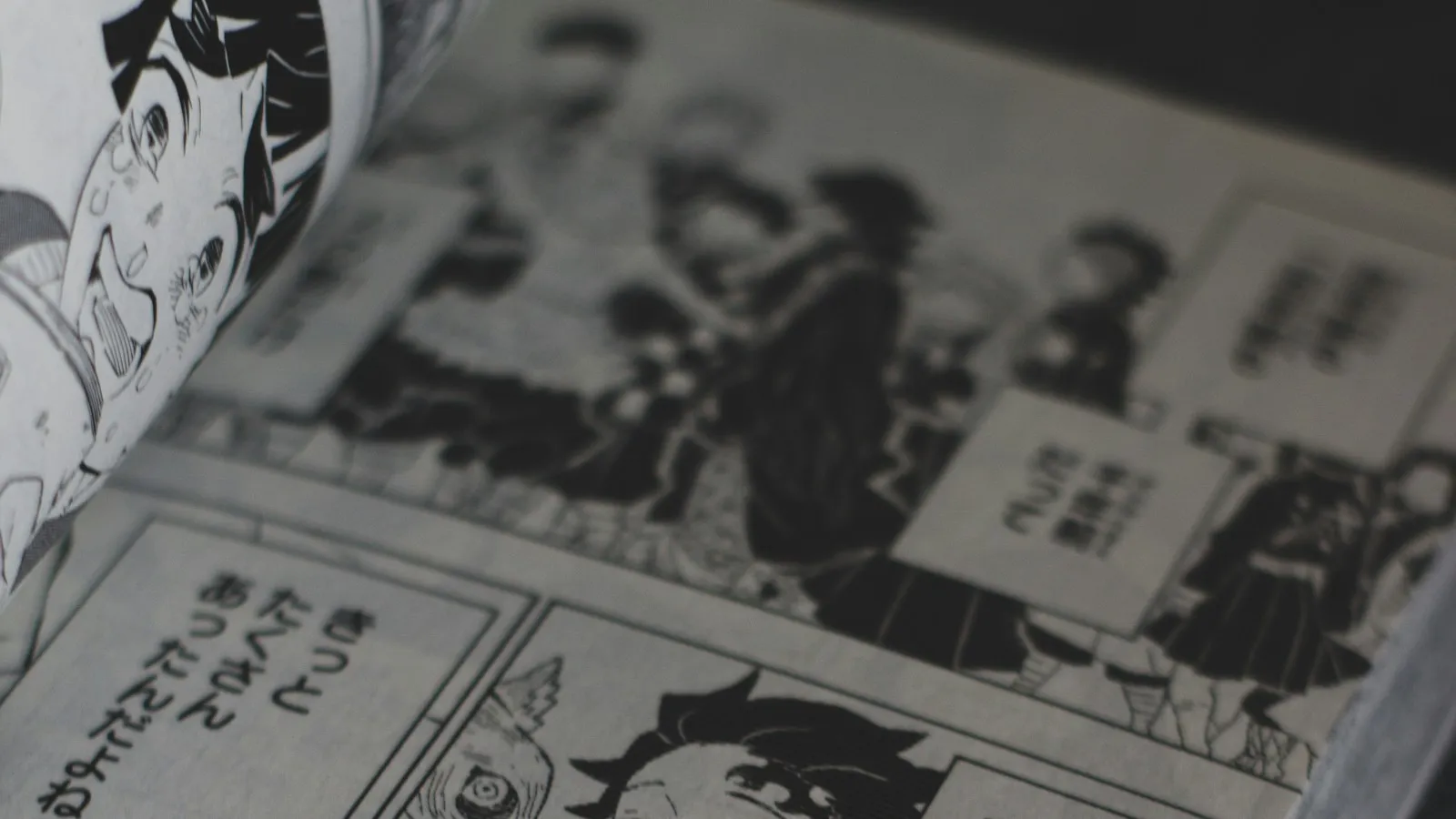
NewsManga artist Shin'ichi Abe died of cancer on 4 September 2026. His son announced it on the 8th. He had made his own life the raw material of his work.
Manga artist Shin’ichi Abe died on 4 September 2026, aged 76, of submandibular gland cancer. His son, Kōsei Abe, announced the news on Sunday 8 September. The funeral was held privately. Abe leaves behind a body of work begun in 1970 and drawn largely from his own life.
Who was Shin’ichi Abe?
An author who turned daily life into narrative material, at a time when manga ran on adventure. He began publishing in 1970 with Yasashii Hito, and his output through the seventies placed him among those who widened what the medium could tell.
Where the newsstands sold combat and feats of strength, he wrote marriage, doubt, money running short, work that never arrives. His own life, barely displaced.
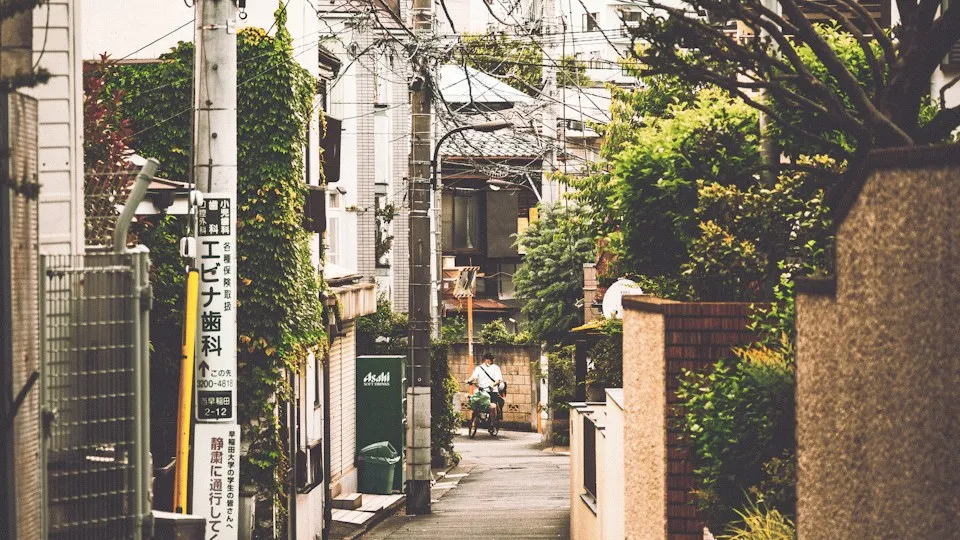
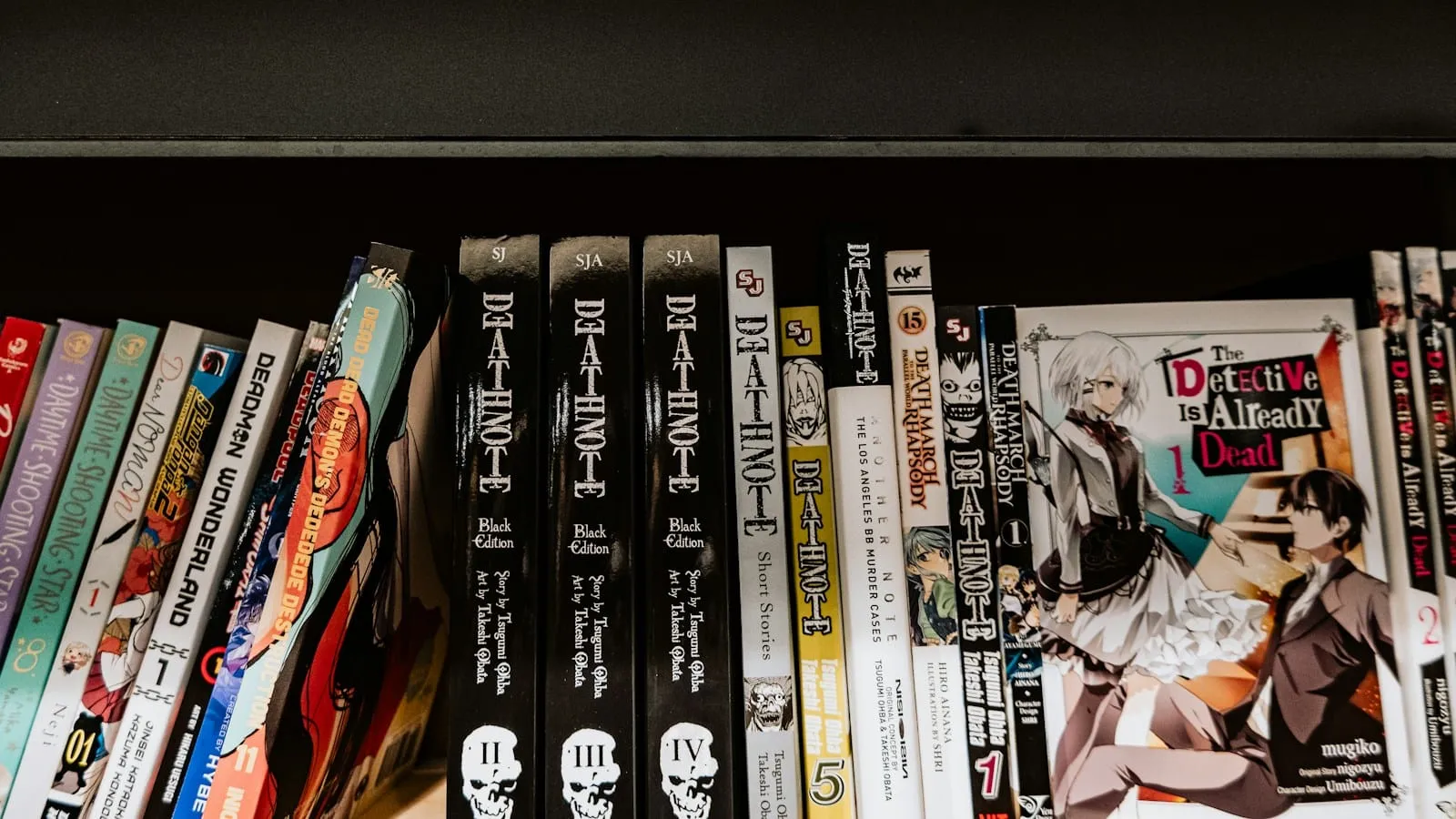
Photo: Se. Tsuchiya / Unsplash.
He was born on 7 April 1950 in Tagawa, a mining town in southern Japan, and published his first story at twenty. That biographical detail counts: the generation that invented adult manga rarely came from Tokyo’s literary circles, and that origin shows in what it chose to write about.
His stories feature young men with sparse beards, caught between love and artistic work. They are characters with no remarkable qualities, and that was the point: to show that an ordinary existence could carry a story.
What are his major works?
Three titles stand out, only one of them known outside Japan.
| Work | Note |
|---|---|
| Yasashii Hito | 1970, first published title |
| That Miyoko Asagaya Feeling | adapted for film in 2009 |
| Aihasu no Kazoku | work in the same vein |
| AX: Alternate Manga | anthology he contributed to |
That Miyoko Asagaya Feeling is his most widely circulated title abroad. The 2009 film adaptation arrived nearly forty years after the story was published.
That collection gathers autobiographical stories about his life with his partner Miyoko, who also served as his model. Asagaya, which gives the book its title, is a residential district of Tokyo: choosing an ordinary place as a title says a good deal about what the author was after.
The difficulty, for anyone wanting to read him today, is the dispersal of the work. Much of it appeared in magazines, in issues nobody reprints, and the available collections cover only a fraction of what he published. It is the common fate of authors of that generation, whose work survived among collectors before it interested publishers.
Why is his name barely known in English?
Because his work was translated very late. English-language readers found it through the publisher Glacier Bay Books, which released That Miyoko Asagaya Feeling in English.
That edition earned a nomination at the 2020 Will Eisner Comic Industry Awards, in the best archival collection category. Professional recognition arrived fifty years after his debut.
What was Garo magazine?
The publication through which everything experimental in manga passed between the 1960s and the 1990s, and in which Abe published his first story in 1970.
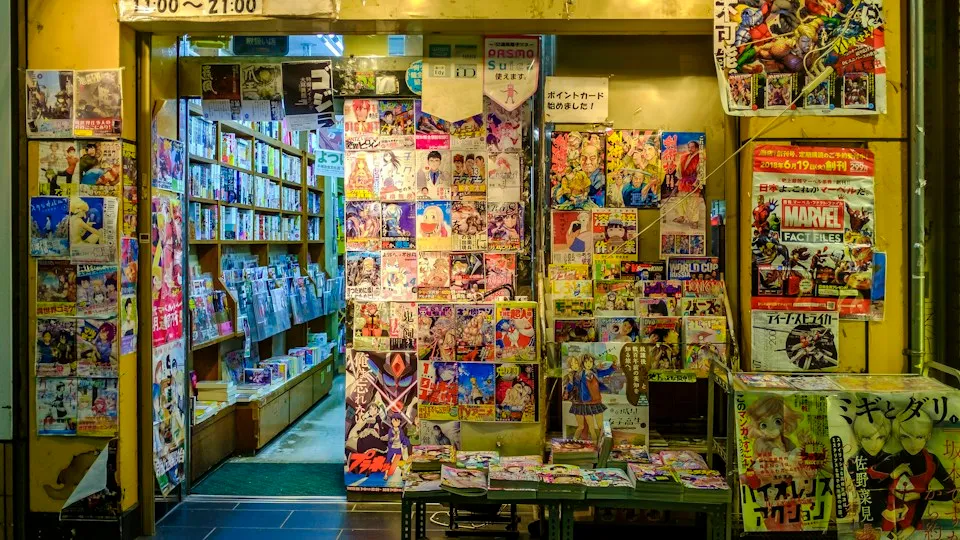
Photo: Martijn Baudoin / Unsplash.
Garo did not work like the magazines around it. Where a weekly serialisation magazine picks its series for their ability to hold a reader from one chapter to the next, Garo accepted stories with no continuation, no plot and no interest in pleasing. Its contributors were paid little or nothing, and that poverty was the price of their freedom.
Its editorial policy amounted to a single rule: publish what interests us, whether or not anyone buys it. Few magazines anywhere have operated that way for four decades, and none did so in manga before or since.
Out of it came a whole generation of authors commercial manga would never have published. Abe was among them, and among those who published there most from his twenties onward.
The economics were the flip side of that freedom: the magazine ran at a loss, paid poorly and appeared irregularly. Several of its contributors held other jobs all their lives, and those who persisted did so in a precariousness their stories describe without varnish. Japanese author-driven manga was built there, not in the offices of the major houses.
The magazine stopped publishing in the early 2000s, after four decades. Its name still works as shorthand: saying an author came out of Garo is enough, in Japan, to place their work.
The existence of such an outlet explains much of what followed. Without somewhere to publish unsellable stories, autobiographical manga would have had nowhere to begin, and the shelf that exists today in bookshops descends directly from those badly printed pages.
What is watakushi manga?
Literally “manga of the self”, by analogy with a long-established Japanese literary genre, the watakushi shōsetsu, or I-novel.
The principle is a story in which the author appears without real disguise, accepting that what is recounted happened to them. It is not a diary, because the material is constructed and cut; nor is it fiction, because nothing is invented to make the story work.
| What the genre accepts | What it refuses |
|---|---|
| Scenes without consequence | The twist that restarts the plot |
| A narrator shown unflatteringly | The hero who improves |
| An ending that concludes nothing | The resolution that repairs |
The distinction with autobiography proper matters. An autobiography sets out a life; these stories set out episodes, without covering the gaps, and with no concern for what a life adds up to. The form is closer to the short story than to the memoir.
Japanese literature had practised this form since the early twentieth century. Manga took it up far later, and Abe is among those who installed it there, at a time when the medium was still regarded as children’s entertainment.
That shift has a consequence beyond the genre. Once it was established that comics could recount the life of the person drawing them, they stopped being solely a product of entertainment and became a means of expression like any other.
The genre has its limits too, still argued over. A story presented as true commits its author on real people, who did not choose to appear in it. Abe put his partner on the page under her own name, in intimate scenes, and that question did not press as sharply in the 1970s as it does now.
The explanation is not only commercial. Manga established itself in English-speaking markets through television animation first, then through long series aimed at teenagers. The publishers who started out in the 1990s and 2000s translated what sold in Japan, which meant titles from high-circulation magazines, not stories from an avant-garde magazine that never reached more than a narrow audience.
It took the readership maturing, and a distinct shelf forming, for this kind of work to find a place. That shelf exists now, but it was built with living authors, easier to support than an old body of work scattered across defunct magazines.
Where do you start with autobiographical manga?
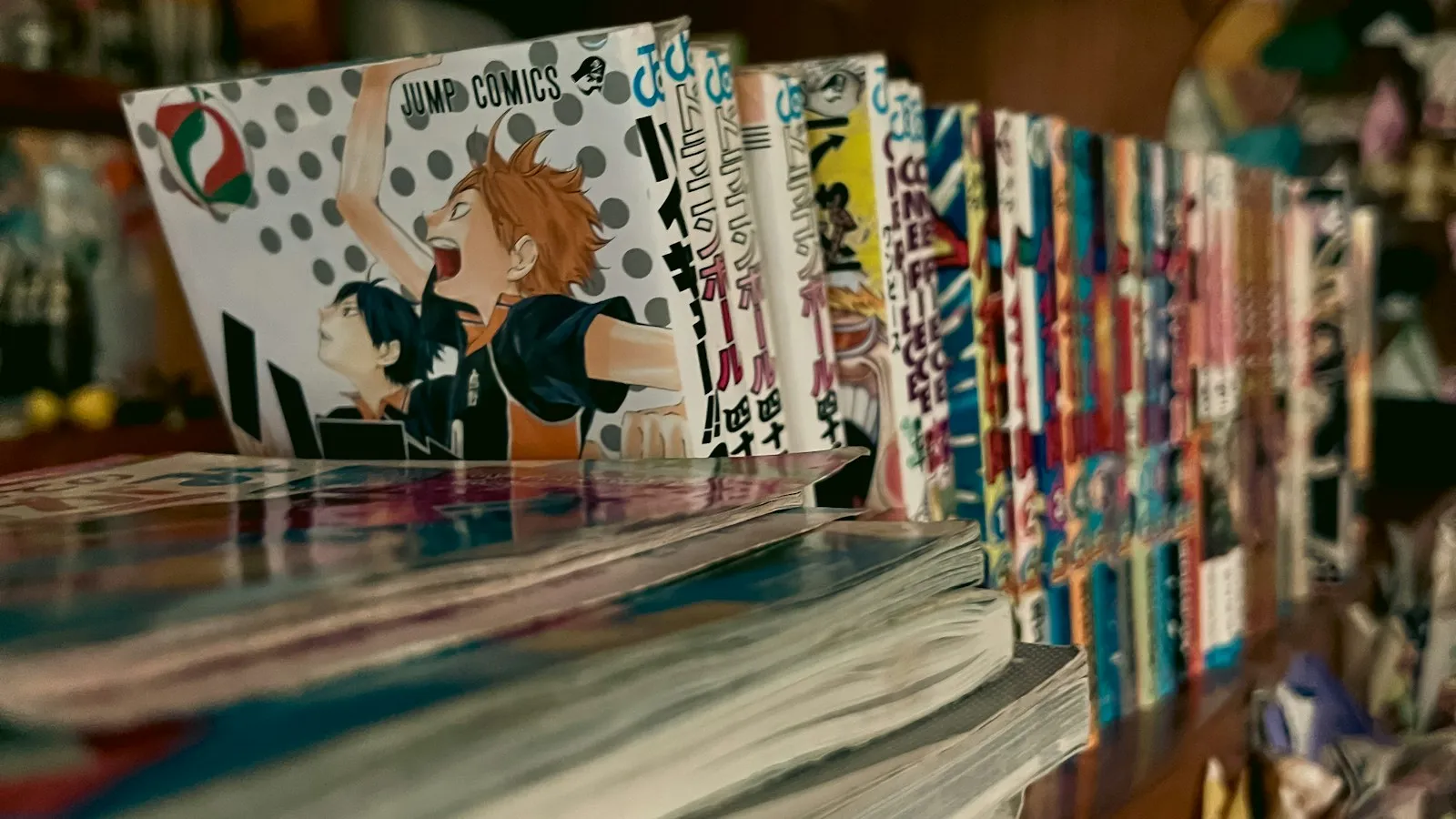
The current Shin’ichi Abe belongs to is barely translated, but its heirs are widely available. The shelf exists in every bookshop now, under labels that vary: author-driven manga, personal narrative, sometimes Japanese graphic novel.
What characterises these books takes few words. The narrator is the author, or barely disguised. Not much happens in the sense of plot. The art often abandons magazine convention, the large eyes and dynamic panels, for a drier line.
A reader arriving from shōnen loses their bearings, and that is to be expected: these stories are not built to pull you page after page, they are built so that something is recognised. That shift is what Abe helped make possible, at a time when manga sold by the chapter and had to hook a reader every week.
What do you actually read in a story of the self?
None of what a manga reader usually comes for, and that is what makes the entry difficult.

Photo: Clark Young / Unsplash.
There is no goal. The character is not trying to become the best, is chasing nobody and has nothing to save. He is trying to make rent, to draw something that holds together, to understand what the person he lives with wants. The story stops when the author judges he has said what he meant to, not when a situation resolves.
What the reader gains is of another order. These stories produce an effect of recognition: the scene described is in no way exceptional, and precisely for that reason it reminds you of something. An author recounting an argument about money reaches a reader who has had one, where a battle of titans refers to nothing lived.
The drawing follows that programme. No shattered panels, no speed effects, few screentones. A dry line, fixed framings, a great deal of silence. That economy disorients at first, and then makes sense: anything that made the scene spectacular would betray it.
That absence of a goal is no easy option. Holding a story together without dramatic propulsion takes more craft than stringing incidents along, because nothing holds the reader in place: not curiosity about what follows, not the expectation of a resolution. Each page has to be sufficient in itself, and most attempts fail.
Why did he disappear for twenty years?
Because he joined a religious congregation in the late 1970s, and that commitment took him away from the manga scene.

Photo: Beth Stevenson / Unsplash.
He attempted several projects in the years that followed, without regaining the place he had held. Only in the 2000s did he return with new stories, which is to say some two decades of absence in the middle of a career begun at twenty.
That interruption explains part of his obscurity. An author who stops publishing at the moment his movement is consolidating drops out of the histories that movement writes about itself, and it takes a reissue programme to write him back in. That is precisely what the English-language publisher did in 2019.
Whether the two decades were lost or simply spent elsewhere is not for us to judge. What can be said is that the body of work is smaller than it would otherwise have been, and that its two halves are separated by a gap long enough to read as two careers.
It also illuminates the work. The stories that made his name recount a man unsure whether he will keep drawing, and the rest of his biography gives that uncertainty a weight no fiction could have supplied. He was not staging an artist’s doubt: he was writing something that was going to happen.
What is gekiga, the movement he is placed in?
A term coined in the late 1950s for Japanese comics aimed at adults, in opposition to manga as then understood, a children’s entertainment.
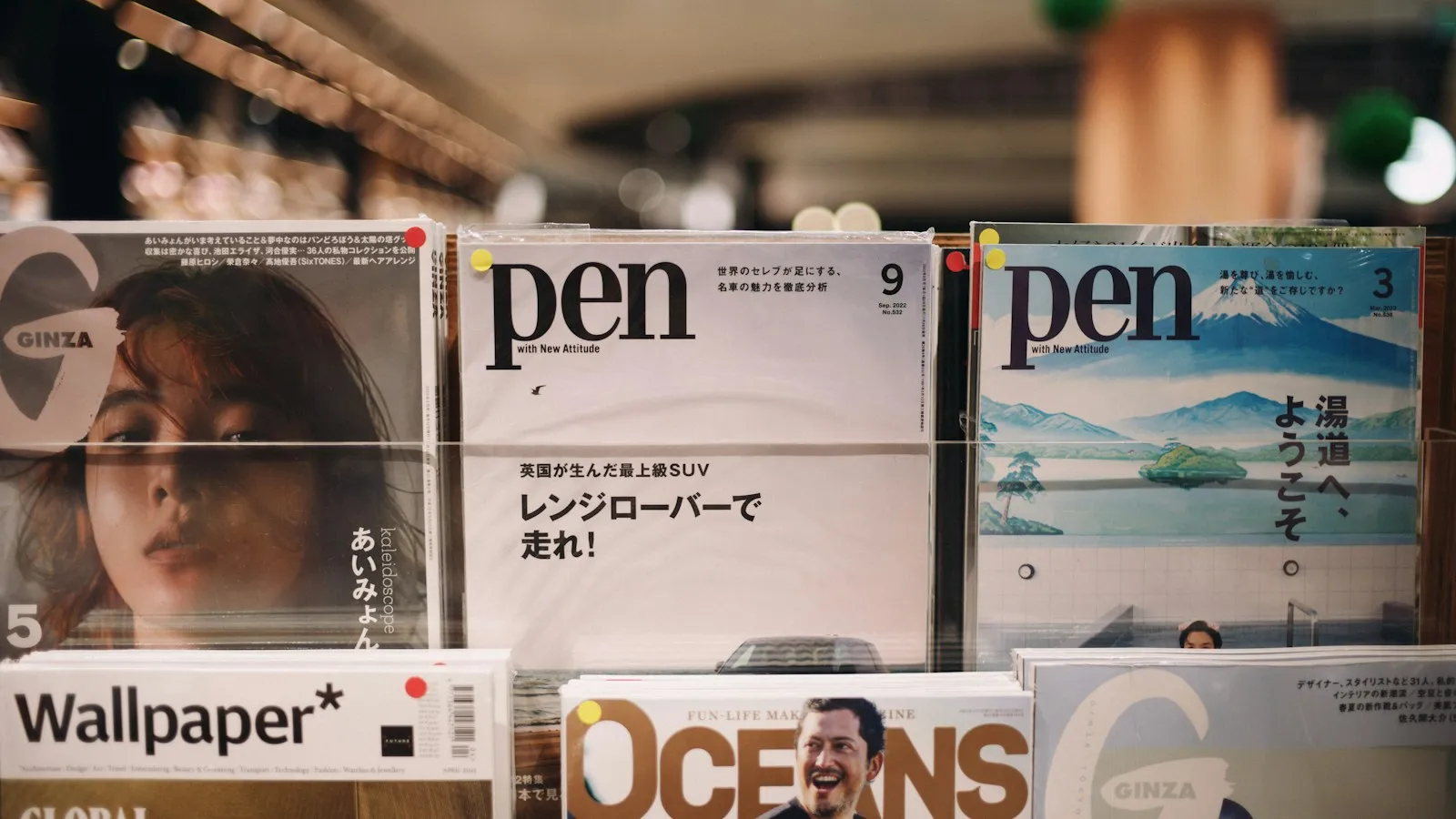
Photo: Uran Wang / Unsplash.
The word means roughly “dramatic pictures”, and it was chosen against manga, which carries the idea of a humorous image. The distinction was asserted: darker stories, more realistic drawing, subjects borrowed from crime fiction, from social and political matter.
Its coiner was trying to persuade booksellers and parents that he was not selling the same thing as children’s comics. The argument was commercial as much as artistic: without a distinct name, adult stories stayed on the same shelf, and nobody bought them.
That movement gave adult manga its first readers and its first outlets. Without it there would be neither a magazine like the one Abe debuted in, nor an audience prepared to buy stories without heroes.
The label has since loosened. It is used today for almost any manga aimed at an adult readership, which drains it of the polemical force it carried when it was coined. Applied to Abe, it says more about where he published than about what he drew.
Abe sits at the edge of the term. His drawing lacks the darkness of those who launched the movement, and his subjects are intimate rather than social. He belongs to the generation that inherited that freedom and put it to another use: no longer to denounce, but to recount a life of no particular distinction, which was another way of breaking with adventure.
The gap also reflects how a work crosses borders. An author whose books sell at home is translated in their lifetime, invited to festivals, asked about the work. An author published in a minority magazine depends on a foreign reader stumbling across the name, then convincing a publisher. The first route takes two years, the second forty.
What of his work remains untranslated?
Most of it, and that is the question his death raises.
One collection is available in English, none in French or Spanish. The rest is scattered across magazines published between 1970 and the end of that decade, then across the stories of his 2000s return. Assembling that body of work means editorial research, page restoration and rights negotiation that nobody has announced.
Three obstacles compound for any publisher considering it.
| Obstacle | What it means |
|---|---|
| The rights | Now with his estate, to be identified and persuaded |
| The material | Old pages, sometimes available only in print |
| The readership | Real but narrow, ruling out large print runs |
A fourth factor works against it, less visible: the absence of a living advocate. A living author promotes the book, gives interviews, appears at festivals. For a posthumous work by an already retiring author, release rests entirely on the publisher and the specialist press, which cuts expected sales accordingly.
None of these obstacles is prohibitive. Publishers regularly bring out Japanese heritage works in comparable conditions, accepting modest runs and long timelines.
There is also the matter of who holds the rights now, which a death rarely simplifies. Estates take time to organise, and a publisher approaching one in the months following a death often waits a year for an answer.
What is usually missing is the trigger. A death is one; a foreign award nomination was another. If an English edition of the wider work is to come, it will be decided in the next two or three years, and announced long before it appears.
How was his work rediscovered?
By an independent English-language publisher, not a major house, and that is the usual pattern for this kind of back catalogue.
Glacier Bay Books published That Miyoko Asagaya Feeling in English, which earned the title a nomination at the Will Eisner Comic Industry Awards in 2020, in the archival reissue category. That nomination is what carried Abe’s name outside Japan.
The role of such operations deserves underlining. They publish at small scale works the major houses do not want, accept print runs counted in the thousands, and act as a bridgehead: once a title exists in English and has been noticed, publishers elsewhere have an argument to make internally.
The flip side is fragility. These catalogues often depend on a handful of people, and an out-of-print title can stay that way for years. For readers in other languages, that means an English edition available today may not be tomorrow, and waiting for a translation carries a risk.
What did his work count for in manga?
It moved the boundary of what a Japanese comic could take as its subject.
When he began, manga divided between two markets: children’s, and the one gekiga had just opened for adults, with dark stories and crime-novel characters. The notion that a reader might care about a penniless artist arguing with his partner had no obvious appeal.
What was at stake there was not a question of style but of permission. Once it was established that an ordinary life could hold a story, the field opened to everything that followed: accounts of illness, of work, family chronicles, diaries of grief. These are whole shelves today, and all of them assumed somebody had done it first without knowing whether it would be read.
Abe was not alone, and he was not the most visible. He is among those who made the thing possible, which measures poorly and gets noticed rarely. That is the fate of authors who open a road rather than occupy it.
What can an English reader find today?
One collection by him, and a great many of his heirs.
English-language publishing has opened widely to Japanese personal narrative over the past fifteen years. Bookshops carry chronicles of daily life, testimonies, accounts of work and family, from houses that have specialised in the register. Anyone curious about the genre will have no difficulty entering it; they will simply enter through more recent authors.
For anyone wanting the source, That Miyoko Asagaya Feeling remains the way in. It is the only one of his books in English, and the only one likely to stay in print for now.
We will report any announcement of a wider edition as soon as a publisher confirms one. In the meantime, the usual caution applies to publication rumours that tend to follow an author’s death: our guide to reading announcements explains how to sort them.
What his death says about the market for author-driven manga
Abe’s path is that of a whole generation: recognised early by a small circle in Japan, translated decades later, then celebrated abroad by an industry discovering work that was already old.
Autobiographical manga now fills a shelf of its own in bookshops worldwide. Authors writing about their depression, their trade or their families are working a furrow cut by authors like Abe, at a time when nothing guaranteed a reader would be there for it.
That lag carries a concrete cost: a body of work enters a foreign publisher’s catalogue when its author can no longer support it, speak about it, or sign an edition. His Japanese publisher has said nothing about possible reissues. Our guide to reading announcements sets out what to wait for before reporting a publication as fact.
Comments
Sign in to comment.
A sign-in link is sent to your inbox. Your address must be verified before you can post.