Ghibli Breaks Its Silence on AI
IndustryToshio Suzuki, co-founder of Studio Ghibli, responds for the first time to AI-generated images imitating the studio's style, in the Asahi Shimbun.
Toshio Suzuki, co-founder and producer of Studio Ghibli, has spoken for the first time about AI-generated images imitating the studio’s style. He did so in an interview with the Asahi Shimbun, published on Sunday 8 September 2026. Ghibli had left every press enquiry on the subject unanswered until now.
What exactly did Toshio Suzuki say?
Two things, in few words. On the wave of images that flooded social media: “As expected, they did.” And asked whether a machine can imitate Ghibli, a one-word answer: no.
The line about the wave says both that he saw it coming and that he expected little from it. No outrage, no threat of litigation, no studio statement: an interview, and two sentences.
Suzuki explained why he had left every interview request unanswered for months. He judged that the enthusiasm would fade by itself, and that the subject did not deserve feeding. His argument fits on one line: anyone with a little background knowledge recognises a fabricated image at once, and this one has, in his view, neither meaning nor fun in it.
The reasoning is worth pausing on, because it runs against instinct. Answering a controversy gives it a second life; a studio that publicly denounces imitations promotes them without meaning to. The silence was not indifference, it was a calculation, and Suzuki breaks it at the point where the wave has already receded.
What does he base that refusal on?
On craft, not morality. An animation professional, he explains, can tell a generated image. And he gives a precise, almost trivial example: the dip that forms in Totoro’s belly when you press on it.
That kind of detail comes from an animator’s decision, made frame by frame, according to what the scene is saying at that moment. It is what Miyazaki commands, and what a surface imitation does not reproduce.
The example of the belly is not incidental. It points to what animators call deformation: the way a drawn body responds to pressure, compresses, returns to shape. Done well, it gives a character weight and substance. Done badly, it produces a figure that moves without ever weighing anything.
What does he say about Hayao Miyazaki?
The strangest item in the interview sits here: Miyazaki does not know generative AI exists.
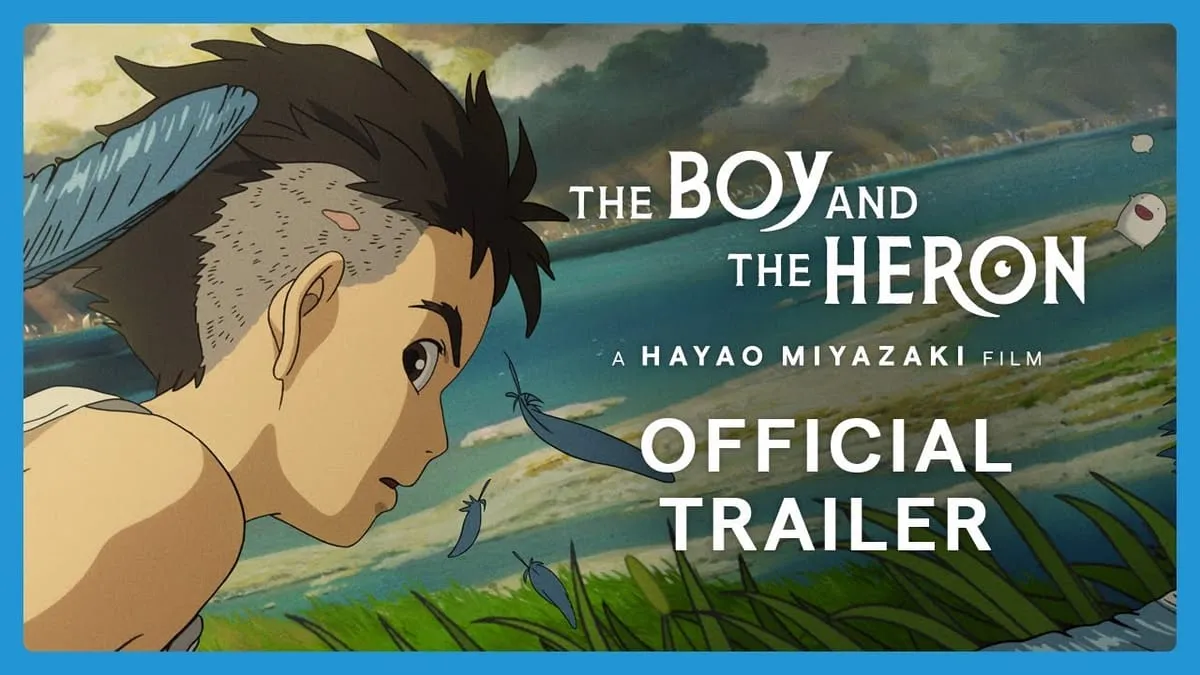
While making The Boy and the Heron, released in 2023, he deliberately cut himself off from the news. He never came back to it. The director whose name is used as a label for millions of generated images is unaware they exist.
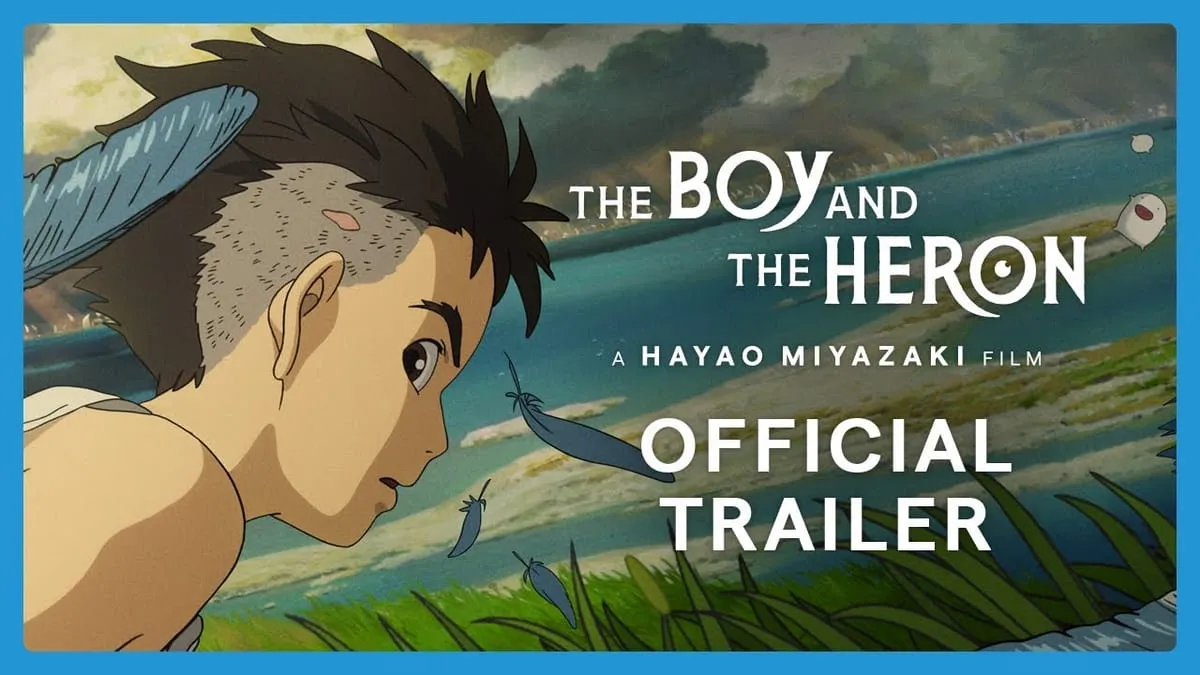
Trailer for the film during which Miyazaki cut himself off from the news. ©Studio Ghibli. Trailer: GKIDS Films.
What is Studio Ghibli, in a few markers?
A Japanese animation studio founded in 1985, whose films have shaped what the world understands Japanese animation to be.

Photo: Caleb Jack / Unsplash.
Three names have held it together from the start: Hayao Miyazaki and Isao Takahata as directors, Toshio Suzuki as producer. It is the last of these speaking here, and his position matters: he is not the author of the films, he is the man who made them possible to build, negotiated their budgets and organised their release. When he says a machine cannot imitate Ghibli, he speaks as the custodian of a craft, not as a wounded artist.
Miyazaki’s most recent film, The Boy and the Heron, was released in 2023 and won the Academy Award for best animated feature in 2024. It was during its making that its director cut himself off from the outside world.
Ghibli is also, for its audience abroad, one of the few Japanese studios known by name rather than by title. Most viewers could not name the studio behind the series they watch each week; here the house itself became the brand, which is exactly why its name proved usable as a prompt.
What these films share has less to do with story than with attention: an afternoon light, wind in grass, a meal prepared in real time. It is precisely that attention the generated images set out to reproduce, and precisely what Suzuki judges beyond their reach.
The studio produces little, and slowly. One film every few years, built largely by hand, with a drawing count its people do not hide because it is their commercial argument. That slowness, a defect in any other industry, is here the thing being sold.
Can a way of drawing be protected?
Not as such, and that is the whole difficulty of the case.
Copyright protects determinate works, not ways of working. An idea, a technique or an aesthetic remains free, and the principle is old. It generally serves creation: it lets one author work in another’s lineage without asking permission, and without it no genre could have formed.
That distinction is no lawyer’s subtlety, it structures all creation. Without it, the first painter to lay down flat colour could have forbidden everyone who followed, and the first manga artist to draw large eyes would have locked up the entire genre.
What the law does penalise is the reproduction of identifiable elements. A recognisable Totoro is infringement, even redrawn. An image evoking the light, the palette and the rhythm of a film without reusing any character sits, by contrast, beyond reach.
Machines did not create that gap: they made it exploitable at scale. A human imitator produced ten images a week; a service produces ten thousand an hour. The law has not changed, the volume has, and no court has yet settled what that shift implies.
Which wave of images are we talking about?
The one that saturated social media in 2025, when image generators became able to reproduce a recognisable aesthetic from a prompt of a few words.
The method was the same for everyone: a personal photograph, a prompt naming the studio, and a redrawn version in pastel tones, with soft outlines and an afternoon light. Family portraits, pets, holiday snaps, news images: all of it went through, within days.
What made the moment distinctive was not the quality of the images. It was their number and their sameness. A style identifiable with one production house, built over forty years, ended up applied to any subject by anyone, free, in seconds.
The timing of Suzuki’s remarks follows from that. Speaking while the wave was cresting would have fed it; speaking once it had passed costs nothing and settles the record. Whether the choice was deliberate or simply the studio’s habitual reticence, the effect is the same.
The wave receded as it had arrived. Suzuki says he expected it, and the facts do not contradict him: an aesthetic applied to everything soon stops meaning anything, and audiences move on. The precedent stands, though, and it does not concern Ghibli alone.
For working illustrators, those weeks left an awkward residue. Many watched work circulate that resembled theirs without being theirs, and some fielded briefs from clients asking explicitly for “that style”, unaware they were naming someone else’s. The harm is not legal, it is professional.
That detail says a great deal about how the house works. A filmmaker who withdraws from the world for seven years to finish a film operates on a timescale incompatible with social media, where the wave of imitations was born, peaked and died within weeks.
Can a style belong to anyone?
No, and that is the whole problem. Copyright protects a determinate work, not a way of working: an idea, a technique or an aesthetic remain free. The principle is old, and it usually serves creation, since it lets one author work in another’s lineage without asking permission.
What the law does sanction is the reproduction of identifiable elements. A recognisable Totoro is infringement, even redrawn. An image evoking the light, palette and rhythm of a Ghibli film without reusing any character sits beyond reach.
Machines did not create that gap, they made it exploitable at scale. A human imitator produced ten images a week; a service produces ten thousand an hour. The law has not changed, the volume has, and no court has yet settled what that shift implies.
What had Miyazaki already said about AI?
One sentence, in 2016, that travelled the world long before the wave of images.
He was being shown an animation produced by an automated system: a creature moving by pushing off with its head, in a motion its creators found novel. Miyazaki replied that it reminded him of a disabled person he knew, and that he saw in it an insult to life itself.
The quotation is usually repeated out of context, as a blanket rejection of technology. It was saying something else. What struck him was not the tool but the ignorance of what a body endures: its creators found amusing a movement that, to him, described real suffering. The reproach was aimed at the gaze, not the machine.
Photo: Bobby Youstra / Unsplash.
Ten years on, the studio’s position has not shifted, but it is voiced differently. Where Miyazaki raised a moral objection, Suzuki raises a craftsman’s observation: it does not work, and it shows. The first was judging an intention, the second judges a result.
That continuity explains why Ghibli has brought no action. A studio that considers the imitation a failure has no reason to fight it in court; it need only carry on producing what cannot be imitated.
What makes a Ghibli image hard to reproduce?
That it does not reduce to a finish, but to a series of decisions no one notices individually.
Three things set the house’s work apart, and none is a matter of colour.
| What you see | What produces it |
|---|---|
| Characters with weight | Animated deformation, frame by frame |
| Backgrounds that live without the characters | Held shots, where nothing useful to the plot happens |
| A rhythm that breathes | Deliberate dead time, rare in commercial animation |
The second line is the most characteristic. Japanese animation, constrained by its budgets, usually economises on shots that do not advance the story. Ghibli spends them deliberately: a character watching rain, a meal being made, a journey conveying no information. Those shots are expensive and serve no purpose beyond giving the world some thickness.
None of this is mystical, and none of it is beyond description. It is simply expensive, and it accumulates across thousands of decisions that no single frame records.
A generated still can restore none of the three. It captures a palette and a framing, which is to say what is visible in a single image, and leaves out what exists only across time. That is exactly what Suzuki points to when he speaks of what a professional spots immediately.
The third line deserves a note. A film’s rhythm is not decided in the edit but in the storyboard, long before anything is drawn: that is where the length of a shot and its contents are settled. No tool working on isolated images intervenes at that stage.
What do you risk by publishing a “Ghibli-style” image?
The answer depends entirely on what the image contains, and the line is sharper than people assume.
Photo: Lavi Perchik / Unsplash.
An image reusing a recognisable character is infringement, whatever technique produced it. Redrawing Totoro by hand, generating him, embroidering him on a cushion: the result is the same in law, because it is the character that is protected, not the means of making it.
An image reusing no character, confining itself to an atmosphere, a palette and a framing, falls under no clear prohibition. That is the gap described above, and it is what let the wave happen.
It is worth noting that this description reflects European law. Rules differ between countries, and Japanese law, which would govern any action by the studio itself, has categories of its own. Anyone contemplating a commercial release would do well to check the framework where they are.
Between the two, use changes everything. An image posted to a personal account interests nobody; the same image sold, or used to promote a product, enters territory where a rights holder has reason to act, even without invoking copyright: a pointed reference to a studio can amount to unfair competition.
A final point for anyone publishing. Platforms have their own rules, often stricter than the law, and they remove content without waiting for a court. The concrete risk is not litigation: it is losing the account.
How do you recognise a generated image?
Suzuki says a professional spots one immediately. For anyone who is not, a few markers cover most cases.
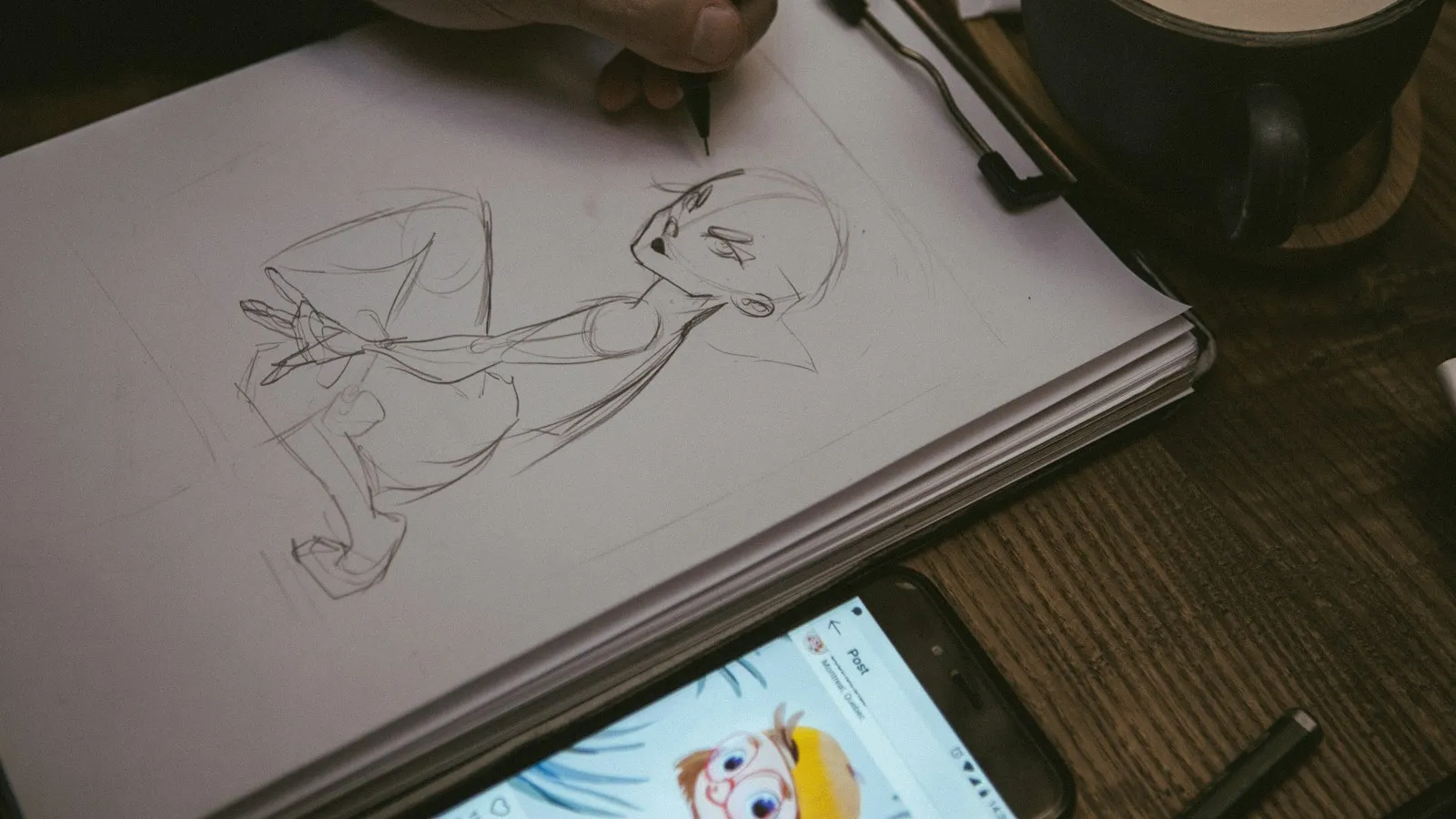
Photo: Mona Miller / Unsplash.
Hands remain the best-known weak point: extra fingers, impossible joints, objects held without real contact. Text comes next. A sign, a book or a poster in the background of a generated image often carries characters that resemble writing without being it, and that shows up particularly in Japanese, where one stroke out of place changes the character.
Repeated detail is a third clue. A generated crowd contains faces that recur, identical clothing in two places, windows that duplicate along a façade. A hand-drawn background carries irregularities; a computed one carries symmetries.
The last marker is Suzuki’s, and it takes some practice: the consistency of light. In a fabricated image, cast shadows do not all point the same way, a light source lights one object but not its neighbour, a reflection appears where nothing justifies it. That is the kind of mistake an illustrator does not make, because they decided where the sun was before starting.
None of these clues is decisive alone, and the tools improve on each of them. The habit that stays useful is simpler: find out where the image came from before sharing it.
It is worth adding that such markers age quickly. The flaws that give a fabricated image away today will be gone within months, and the list will need rewriting. What does not age is the question of origin: who is posting this image, and what backs it up.
Are manga artists exposed to the same problem?
More so, and with far fewer means of answering.
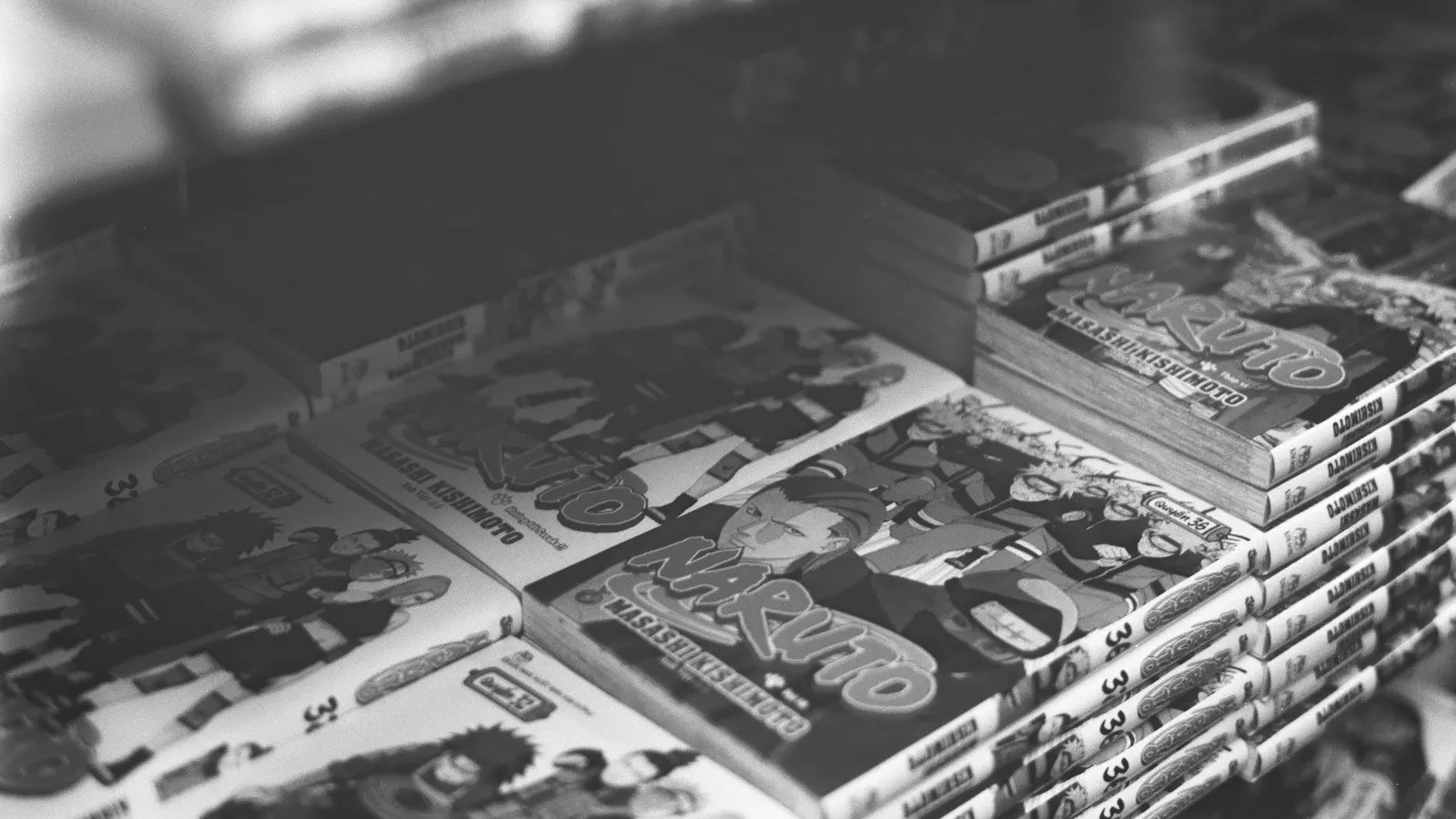
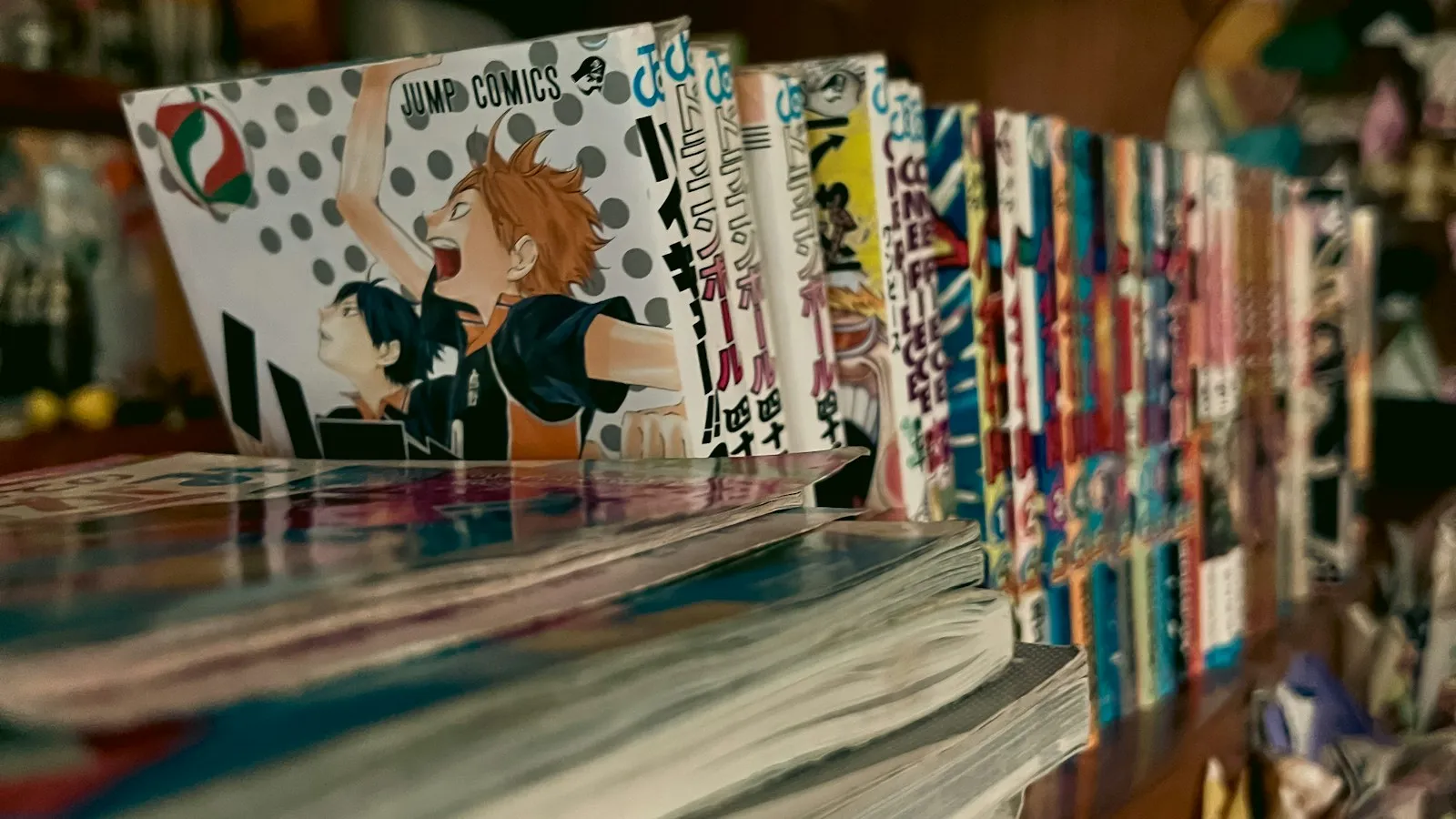
An animation studio has a trading name, a legal department, and films whose every frame is dated and archived. A manga artist works alone or with two assistants, publishes in a magazine, and their style rests on a line no contract describes.
The mechanism is nonetheless identical. A recognisable artist, published widely enough for their pages to circulate online, becomes imitable the moment those pages have served as examples. Their publisher then faces the same division Ghibli faces: characters are protected, manner is not.
The difference lies in the economics. A film sells once, to millions. A manga series sells chapter by chapter, to readers who follow an artist precisely because they recognise the hand. If that hand becomes an option available elsewhere, it is not an image losing value: it is a subscription.
There is one practical difference in their favour. A manga artist’s pages are published on fixed dates, in identifiable issues, which makes proving anteriority straightforward. Establishing who drew what first is rarely the hard part; establishing that a style has been taken is another matter entirely.
Which is why Japanese publishers follow this file more closely than studios do. And why telling an official page from a copy now counts as much as reading a publisher’s announcement properly: both rest on the same habit, going back to the source before believing what you see.
What should we take from these remarks?
That they change nothing legally and a great deal symbolically.
Ghibli announces no action, calls for no legislation, asks for nothing to be taken down. Suzuki observes, and his observation concerns the quality of the result, not the legitimacy of the method. It is a craftsman’s position, and it holds as long as the quality gap holds.
There is also something the remarks accomplish simply by existing. Ghibli had said nothing for a year, and that silence was itself being read, variously as contempt, as resignation or as preparation for legal action. One interview settles all three readings at once, which may be the point of speaking at all.
The question the interview leaves open is one of duration. A studio can afford to ignore a failed imitation; it will find a successful one harder to ignore. Nothing in Suzuki’s remarks indicates what the house would do then, and that may be the only thing this interview does not say.
One area these remarks do not touch: the data used to train these tools. Suzuki speaks about the output, not how it was arrived at, and that second question is the one occupying courts in several countries. The studio has said nothing about it.
In the meantime, the studio’s answer is the one it has given for forty years: carry on making films whose cost lies precisely in what cannot be automated.
What Ghibli’s silence was protecting
The studio has taken no public action against the platforms, and announces none. That is not an oversight: it is the only tenable position under current law.
| What the law protects | What it does not |
|---|---|
| A specific work, copied | A style, a manner |
| An identifiable character | A palette, a line, a quality of light |
| A reproduced image | A new image “in the style of” |
A studio therefore has two options: case-by-case litigation, costly and uncertain, or silence. Ghibli had chosen the second, and has just stepped out of it without changing sides: Suzuki demands nothing, he observes.
The position reaches beyond animation. A manga publisher facing pages generated “in the style of” its star author will meet the same legal vacuum, with fewer resources than Ghibli. Suzuki’s answer, meanwhile, is a craftsman’s: what gets copied is only the surface. On telling an official announcement from a reproduction, our reading guide sets out the method.
Comments
Sign in to comment.
A sign-in link is sent to your inbox. Your address must be verified before you can post.